- Isidro Ortiz, PHD
- Articles Archive
- Hits: 3211
Ethnic Studies Take 2: The Liberated Ethnic Studies Model Curriculum
From Draft NOtices, January-March 2022
Ethnic Studies Take 2: The Liberated Ethnic Studies Model Curriculum
— Isidro Ortiz, PHD The Covid-19 pandemic has exacted a heavy toll on education and posed many unprecedented challenges to educators at all levels. As reported by Emma Dorn and her colleagues in “COVID-19 and education: The lingering effects of unfinished learning,” during the 2020-21 academic year, “the impact of the pandemic on k-12 student learning was significant.” Moreover, “the pandemic widened preexisting opportunity and achievement gaps, hitting historically disadvantaged students hardest.” Students in high schools became more likely to drop out of school, and “high school seniors, especially those from lowincome families, are less likely to go on to post-secondary education.” At the same time, the Defense Department has announced a new STEM strategic plan that would further militarize the nation’s schools. The plan would focus on student populations regarded as “underserved and underrepresented in STEM,” including military children, racial minorities and female students.
While these developments do not bode well for anti-militarism struggles, all hope is not lost. They have been accompanied by the rise of a counterhegemonic movement that has catalyzed the development of a new curriculum, the Liberated Ethnic Studies Model Curriculum (LESMC), that has significant potential to develop two essentials for future action against militarism: critical agency and self-efficacy.
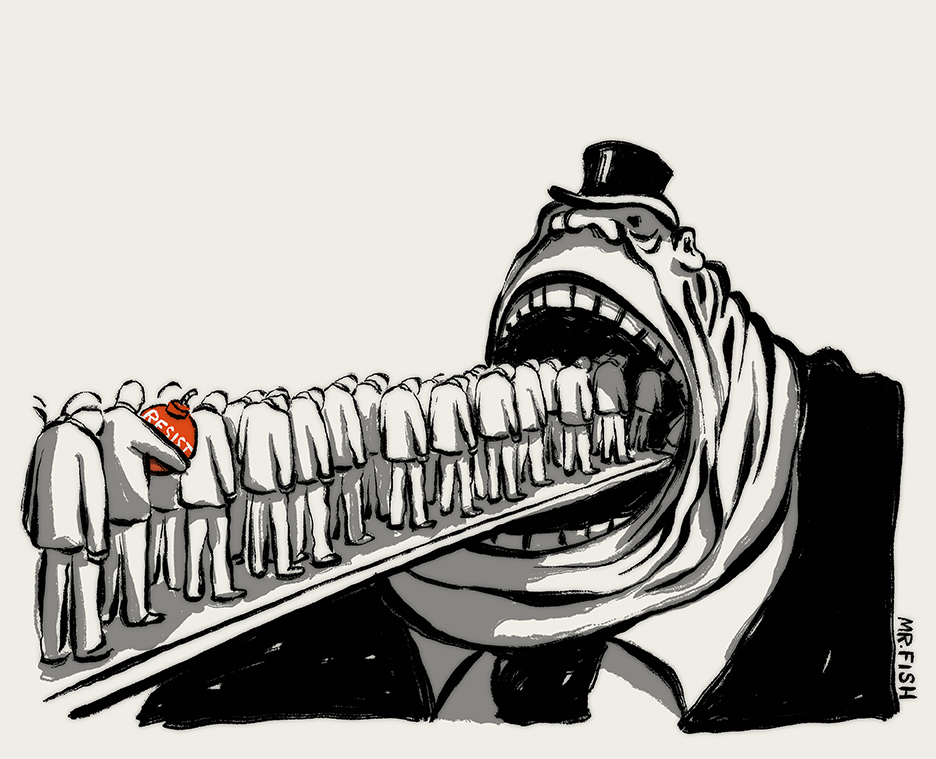 Language that would have expanded draft registration to include women was, fortunately, pulled from the 2022 National Defense Authorization Act (NDAA) before Congress approved the bill in December. Pres. Biden then signed the NDAA on December 27, 2021.
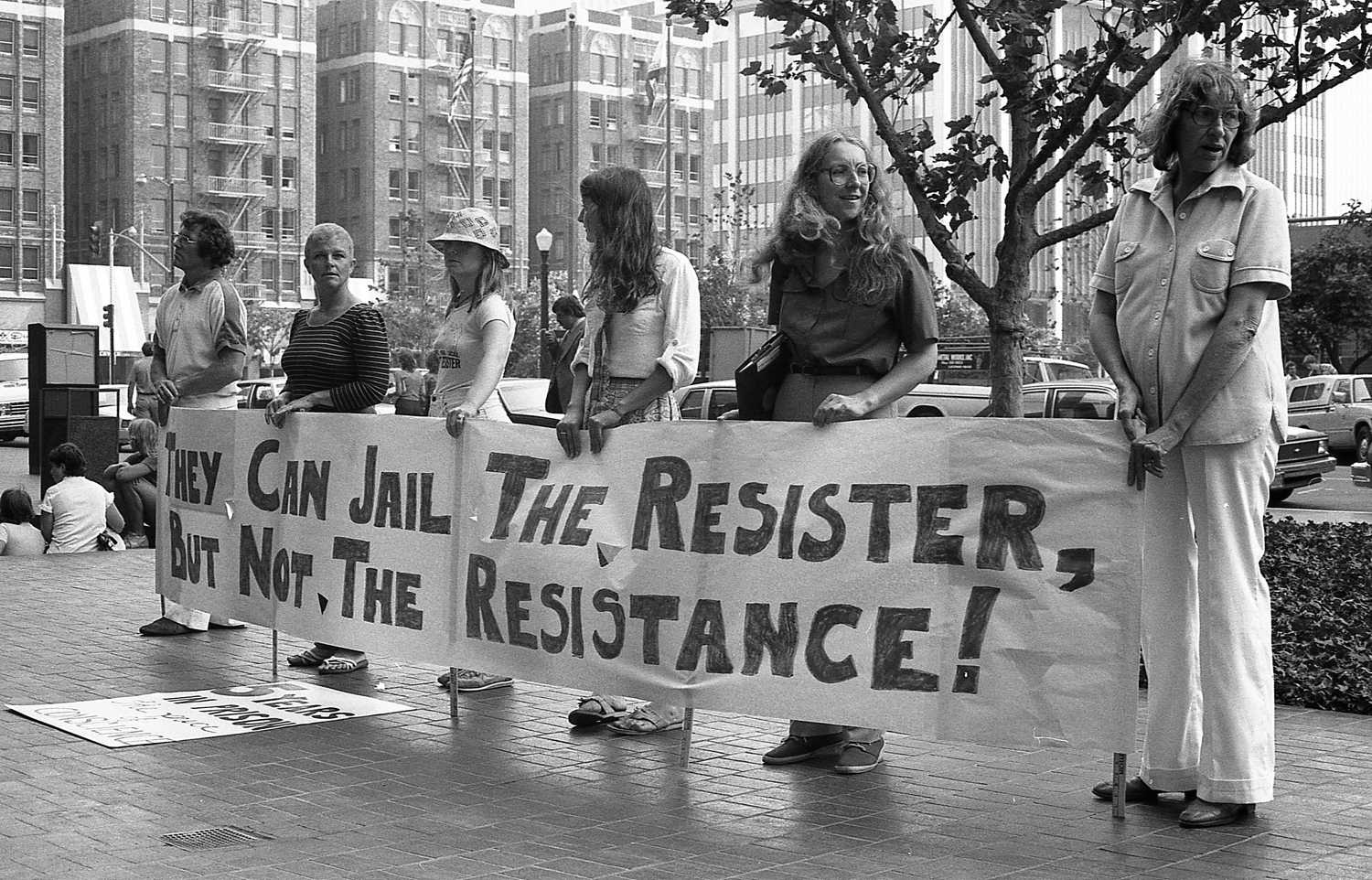 The Senate will pass its version of the NDAA later in 2021. It is expected that it will contain the same expansion of registration to women. After going to a joint conference committee to resolve any House vs. Senate differences, the bill will go to President Biden for his signature. One year after the enactment of the NDAA, Biden would be authorized to issue an order to begin the registration of women. It could come as early as December 2022.